

Understanding the Importance of Sleep Hygiene
Sleep is not merely a passive state of rest; it is a critical component of our overall well-being. The concept of sleep hygiene refers to the set of practices and habits that are conducive to sleeping well on a regular basis. Good sleep hygiene is essential for maintaining physical health, enhancing cognitive function, and balancing emotional stability. In a world buzzing with distractions and demands, prioritizing sleep hygiene can be transformative.
Several factors contribute to effective sleep hygiene. First and foremost, establishing a consistent sleep schedule is vital. Going to bed and waking up at the same time every day helps regulate the body’s internal clock and can significantly improve the quality of sleep. Creating a restful environment is also crucial. This means ensuring that your sleeping area is quiet, dark, and cool. Investing in a comfortable mattress and pillows can further enhance sleep quality.
Equally important is limiting exposure to screens before bedtime. The blue light emitted by phones, tablets, and computers can interfere with your ability to fall asleep by disrupting the production of melatonin, the hormone responsible for sleep regulation. Instead, consider engaging in calming activities such as reading a book or practicing mindfulness exercises to ease into sleep.
By cultivating these habits, you not only improve your sleep but also positively impact your mental and physical health. Explore our product collection for tools that can aid in your journey to better sleep.
Exploring Relaxation Products for Stress Relief
In the fast-paced world we live in today, finding effective methods for stress relief is crucial for maintaining both mental and physical health. One of the most approachable ways to alleviate stress is through the use of relaxation products, which are designed to foster a sense of calm and tranquility. These products come in various forms, each offering unique benefits that can enhance your mindfulness practice and promote better rest.
Types of Relaxation Products
- Aromatherapy Diffusers: Utilizing essential oils can be a powerful tool for relaxation. Aromatherapy diffusers disperse these oils into the air, filling your living space with calming scents that can help reduce anxiety and improve sleep quality.
- Weighted Blankets: These blankets provide gentle pressure that mimics a comforting hug, which can significantly reduce stress levels and improve the quality of sleep by promoting a sense of security and relaxation.
- Mindfulness Journals: Engaging in daily journaling can help clear the mind and organize thoughts, serving as an effective way to process emotions and reduce stress.
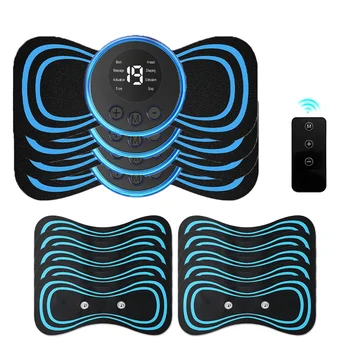
- Massage Tools: Handheld massage devices or foam rollers can help relieve muscle tension, promoting relaxation and aiding in the overall reduction of stress.
Incorporating these relaxation products into your daily routine can provide a much-needed escape from the stresses of everyday life, helping you to unwind and recharge. Whether you are looking to enhance your mindfulness practice or simply seeking a moment of peace, these tools can be invaluable. Explore our product collection for more ways to find calm in your day-to-day life.
Incorporating Mindfulness Practices into Daily Life
In our fast-paced, ever-connected world, seamlessly integrating mindfulness practices into daily life has become more crucial than ever. Mindfulness, at its core, involves being fully present and engaged in the moment without judgment. This practice can significantly enhance your rest and relaxation by reducing stress, improving focus, and fostering a sense of inner peace.
There are numerous ways to incorporate mindfulness into your everyday routine. Begin with simple mindfulness meditation exercises, which can be done anywhere—from the comfort of your living room to a quiet corner in your office. Start with just a few minutes each day, gradually increasing the time as you become more accustomed to the practice. Focus on your breathing, observe your thoughts without attachment, and gently bring your attention back whenever it wanders.
Mindful Breathing
Another powerful yet simple technique is mindful breathing. This involves taking deep, intentional breaths while paying full attention to the sensations of inhaling and exhaling. Mindful breathing can be practiced during any activity, whether you’re commuting, walking, or even doing household chores.
Mindful Eating
Mindful eating is another practice that can transform your relationship with food and enhance relaxation. By savoring each bite, paying attention to flavors, textures, and aromas, you create a more enriching dining experience, promoting better digestion and a greater sense of satisfaction.
By incorporating these mindfulness practices into your daily life, you not only improve your relaxation but also cultivate a greater appreciation for everyday moments. Explore our product collection for tools that can support your mindfulness journey.
Utilizing Recovery Tools for Improved Sleep Quality
In today’s fast-paced world, quality sleep has become a coveted luxury. The demands of modern life often encroach upon our rest, leaving many of us yearning for better sleep. Fortunately, recovery tools designed specifically for enhancing sleep quality are becoming increasingly popular. These tools are not just about comfort; they harness the principles of mindfulness and relaxation to foster a deeper, more restorative slumber.
One such tool is the weighted blanket, which has gained acclaim for its ability to simulate the feeling of being held or hugged. This sensation, known as deep touch pressure, can increase the production of serotonin and melatonin, while reducing cortisol—the stress hormone. This balance helps calm the nervous system, paving the way for a peaceful night’s sleep.
Another innovative recovery tool is the white noise machine. By producing a consistent ambient sound, these machines mask disruptive noises that might otherwise interrupt sleep. The gentle hum of white noise can create a soothing environment, making it easier to fall and stay asleep throughout the night.
Incorporating aromatherapy into your bedtime routine can also work wonders. Essential oils like lavender and chamomile are renowned for their calming properties, helping to ease tension and promote relaxation. A few drops on your pillow or in a diffuser can transform your sleeping space into a tranquil oasis.
For individuals seeking technology-driven solutions, sleep tracking devices offer insights into sleep patterns and potential disturbances. These devices can guide users to make informed changes, improving their overall sleep quality.
Recovery tools are an excellent complement to mindfulness practices, working in harmony to enhance rest and relaxation. For those eager to explore these innovative options, explore our product collection.
Adopting Daily Wellness Habits for Stress Management
In today’s fast-paced world, stress has become an almost ubiquitous element of daily life, affecting both mental and physical well-being. However, by adopting daily wellness habits, individuals can significantly mitigate stress, leading to a more balanced and fulfilling life. The key lies in integrating mindfulness practices that encourage relaxation and promote overall health.
Mindful Breathing
One of the simplest and most effective ways to manage stress is through mindful breathing. This technique involves taking slow, deep breaths, focusing solely on the act of breathing. By doing this, individuals can calm their minds and reduce the physiological symptoms of stress, such as a racing heart or tense muscles. Regular practice can enhance emotional resilience and clarity, making it easier to navigate stressful situations.
Regular Physical Activity
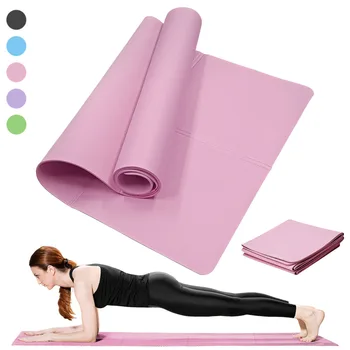
Incorporating regular physical activity into daily routines is another powerful strategy for stress management. Exercise releases endorphins, known as the brain’s feel-good neurotransmitters, which naturally combat stress and elevate mood. Whether it’s a brisk walk, a yoga session, or a rigorous workout, physical activity helps to channel negative energy into positive outcomes, fostering a sense of accomplishment and relaxation.
Establishing a Sleep Routine
Quality sleep is critical for effective stress management. Establishing a consistent sleep schedule helps regulate the body’s internal clock, making it easier to fall asleep and wake up naturally. Techniques such as reducing screen time before bed, creating a restful environment, and practicing relaxation exercises can enhance the quality of sleep, leading to improved mood and decreased stress levels.
By consciously adopting these daily wellness habits, individuals can create a personalized toolkit for stress management, paving the way for better rest and relaxation. For those interested in enhancing their mindfulness journey, explore our product collection.





0 Comments