
Introduction to Recovery Massagers and Foam Rollers
In the realm of fitness and wellness, recovery is as integral to achieving optimal performance as the workouts themselves. Recovery massagers and foam rollers have emerged as essential tools for athletes, fitness enthusiasts, and anyone seeking relief from muscle tension and soreness. Although they may appear simple, these tools harness the power of self-myofascial release, a technique that aids in alleviating muscle tightness, enhancing blood flow, and improving overall flexibility.
Recovery massagers, often electronic or battery-powered, offer a high-tech approach to muscle recovery. These devices typically feature adjustable speed settings and interchangeable heads, allowing users to customize their massage experience to target specific areas of discomfort. The pulsating or vibrating action of these massagers helps break up knots and adhesions in the muscle fibers, which can lead to quicker recovery times and reduced risk of injury.
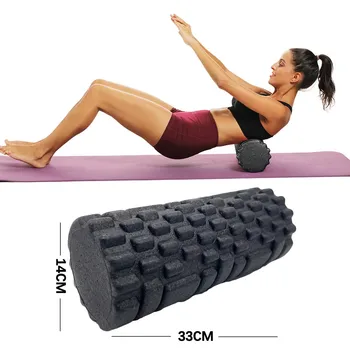
On the other hand, foam rollers offer a more hands-on technique. These cylindrical tools are rolled over various muscle groups, providing a form of deep-tissue massage. By applying one’s body weight, users can control the pressure and intensity of the massage, which makes foam rollers versatile for different levels of comfort and pain tolerance. Regular use of foam rollers can not only aid in recovery but also enhance flexibility and range of motion.
Both recovery massagers and foam rollers serve a valuable purpose, offering unique benefits that cater to different preferences and needs. Whether you’re a seasoned athlete or someone looking to ease daily muscle tension, incorporating these tools into your routine can make a significant difference in your recovery process.
Exploring Different Types of Massagers
In the realm of recovery tools, massagers emerge as versatile instruments that cater to a variety of therapeutic needs. They come in numerous forms, each designed to target specific muscle groups or provide a particular type of relief. Understanding the differences among these massagers can help individuals select the one that best suits their recovery routine.
Electric Massagers
Electric massagers are popular for their convenience and effectiveness. They typically offer multiple speed settings and interchangeable heads, allowing users to customize their massage experience. These devices are excellent for penetrating deep into muscle tissue, alleviating tension and stiffness with minimal effort. Examples include handheld massagers and percussion massagers, which are particularly effective for athletes looking to enhance their post-workout recovery.
Manual Massagers
Manual massagers, such as massage sticks and rollers, require a bit more physical effort but offer precise control over pressure and massage technique. These tools are often favored for their portability and ease of use. They are ideal for targeting specific areas, such as the back or calves, providing relief from muscle soreness and promoting increased blood flow to the affected areas.
Hydrotherapy Massagers
Hydrotherapy massagers bring the benefits of water into the massage experience. These devices use water pressure to deliver a soothing massage, often found in hot tubs or specialized shower heads. They are perfect for relaxation and improving circulation, making them a favorite for those recovering from injuries or chronic pain conditions.
Understanding Foam Rollers and Their Uses
Foam rollers have become an essential tool in the fitness and wellness community, renowned for their ability to enhance recovery and improve flexibility. These cylindrical pieces of equipment, made of dense foam, are designed to aid in self-myofascial release, which is a technique used to relieve muscle tightness and enhance blood flow. This process involves applying gentle pressure to specific muscle areas, helping to break up knots and ease tension.
One of the primary uses of foam rollers is to alleviate delayed onset muscle soreness (DOMS) that often follows intense exercise. By incorporating foam rolling into your post-workout routine, you can speed up the recovery process, allowing you to return to your physical activities with less discomfort. Additionally, regular use can improve joint range of motion, making it a valuable practice for athletes and fitness enthusiasts aiming to maintain flexibility and prevent injuries.
Key Benefits of Using Foam Rollers
- Improved Circulation: The pressure applied during foam rolling increases blood flow, delivering more oxygen and nutrients to muscle tissues.
- Reduced Muscle Tension: Targeting tight areas helps release knots and tension, promoting relaxation.
- Enhanced Flexibility: Regular use contributes to increased flexibility and a greater range of motion.
Foam rollers are versatile tools that can be used for various muscle groups, including the back, calves, quads, and hamstrings. While they are beneficial for recovery, they are also effective for warming up muscles before a workout, ensuring they are primed for activity.
Comparing Foam Rollers and Massagers for Recovery
In the realm of physical recovery, both foam rollers and massagers have emerged as popular tools, each offering unique benefits tailored to enhance muscle rehabilitation and overall well-being. Understanding the distinct advantages of each can help individuals make informed decisions about incorporating them into their recovery routines.
Foam Rollers: A Versatile Tool
Foam rollers are cylindrical tools used for self-myofascial release, a technique designed to relieve muscle tightness and improve flexibility. They work by applying pressure to specific areas of the body, effectively breaking down adhesions and releasing tension. This self-massage method is particularly beneficial for larger muscle groups such as the hamstrings, quadriceps, and back. Foam rollers come in various densities and sizes, allowing users to customize their experience based on their comfort level and the intensity of the massage needed.
Massagers: Targeted Relief
In contrast, massagers, which can range from handheld devices to more sophisticated electric models, offer targeted muscle relief. These tools are designed to penetrate deeper into muscle tissue, providing focused therapy that can alleviate soreness and enhance circulation. Massagers are ideal for addressing specific areas of discomfort, making them a preferred choice for individuals dealing with chronic pain or localized muscle knots.
Both foam rollers and massagers serve vital roles in recovery and can be used independently or complementarily, depending on the individual’s needs. For those seeking to optimize their recovery process, exploring our product collection can provide further insights into the variety of tools available to enhance your wellness journey.
Key Benefits of Using Recovery Tools
In the realm of physical fitness and wellness, recovery tools such as massagers and foam rollers have become indispensable for athletes and fitness enthusiasts alike. These tools are not merely accessories but vital components in the journey towards optimal health and performance. Understanding their benefits can significantly enhance one’s fitness regimen.
Enhancement of Muscle Recovery
One of the primary advantages of using recovery tools is their ability to enhance muscle recovery. After an intense workout, muscles can become tight and sore, which may impede performance in subsequent exercises. Foam rollers and massagers help to alleviate this discomfort by promoting increased blood flow to the affected areas. This enhanced circulation aids in the removal of metabolic waste, accelerating the healing process and reducing soreness.
Improvement in Flexibility and Range of Motion
Regular use of recovery tools can also improve flexibility and range of motion. By breaking down adhesions and scar tissue, foam rolling can help maintain supple and flexible muscles. This not only enhances performance but also reduces the risk of injuries, making it an essential practice for anyone serious about their physical health.
Stress Relief and Relaxation
Beyond physical benefits, these tools also offer significant mental health advantages. The rhythmic application of pressure using a massager can be incredibly soothing, helping to reduce stress and promote relaxation. This dual benefit makes recovery tools a holistic approach to wellness, addressing both body and mind.




0 Comments